


After sinking hours into KIBORG, I can safely say Sobaka Studio nailed something special here, and they didn’t pull any punches doing it. This isn’t just another rogue-lite beat ’em up; it’s a hard-edged survival brawler that demands you adapt or die, again and again. In a landscape crowded with rogue lites, KIBORG’s commitment to brutality, customization, and raw skill is refreshing and absolutely punishing.
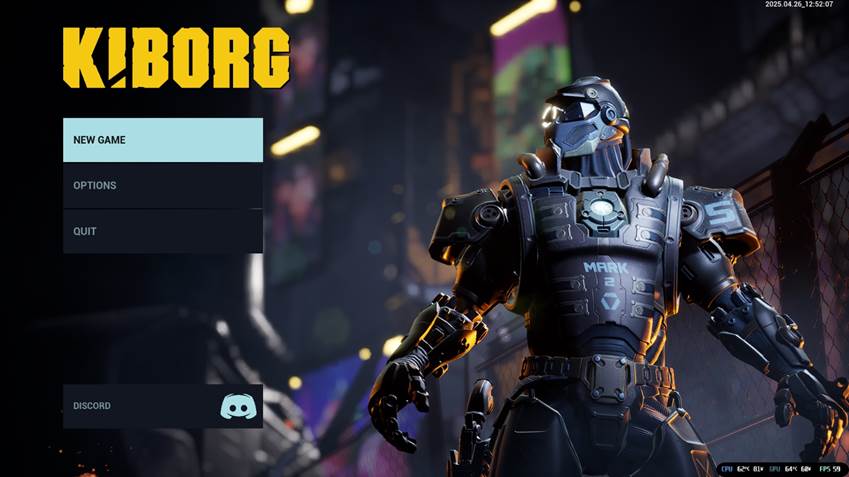
Gameplay and Mechanics
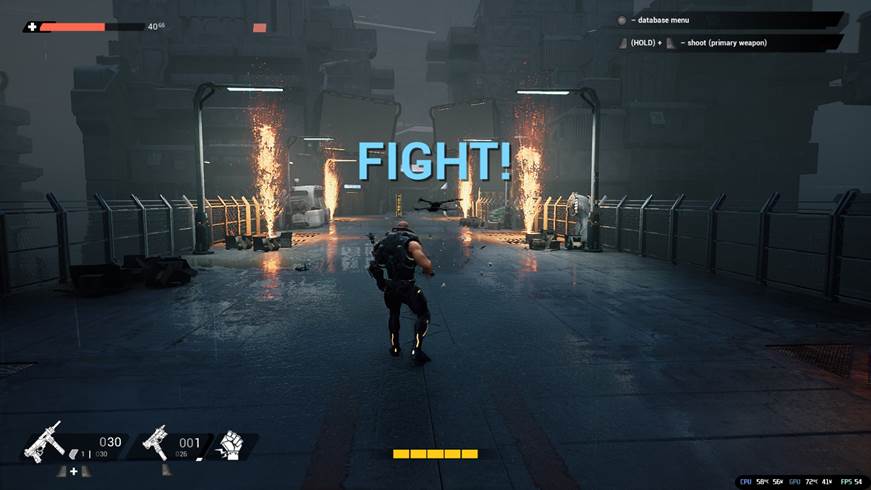
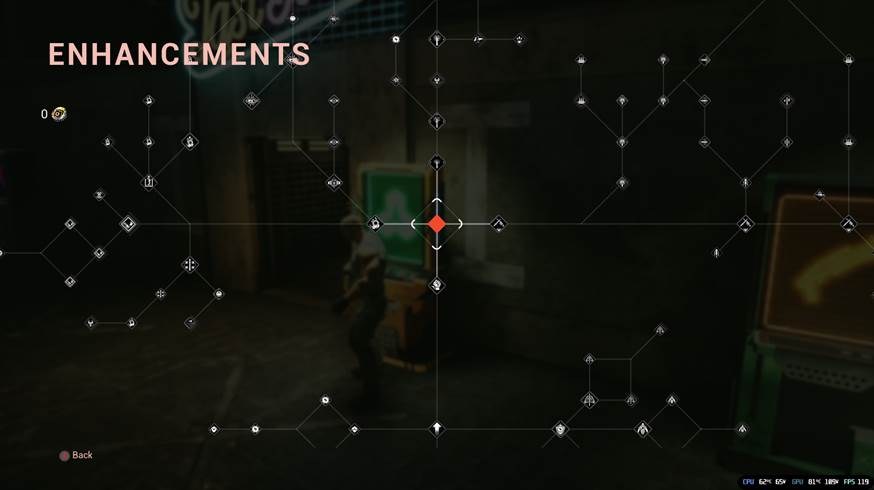
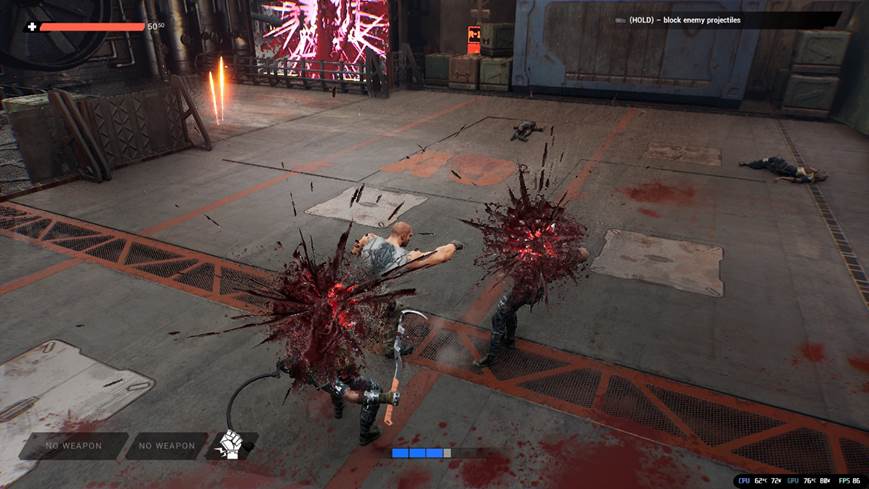
KIBORG’s third-person combat is fast, ruthless, and brutally satisfying—every run forces you to fight smarter, not just harder. Early on, it felt overwhelming, enemies swarming from all sides, arenas morphing unpredictably, and cybernetic implants with double-edged effects. Recklessness was punished swiftly. But once you learn enemy patterns, nail dodge timings, and synergize implants properly, it clicks in a way few modern games manage. The cybernetic upgrades are the core of the experience. They’re not minor buffs, they fundamentally change how you engage with combat. I found myself building agile stun-heavy loadouts for speed runs, only to later experiment with slow, tanky juggernauts capable of steamrolling hordes. Choosing implants means reshaping your character’s abilities completely, forcing you to rethink every encounter.
Visuals and Atmosphere
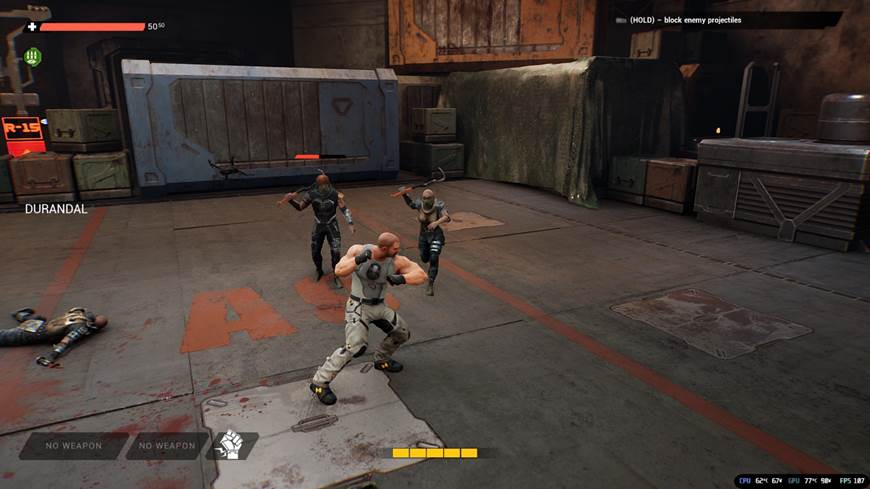
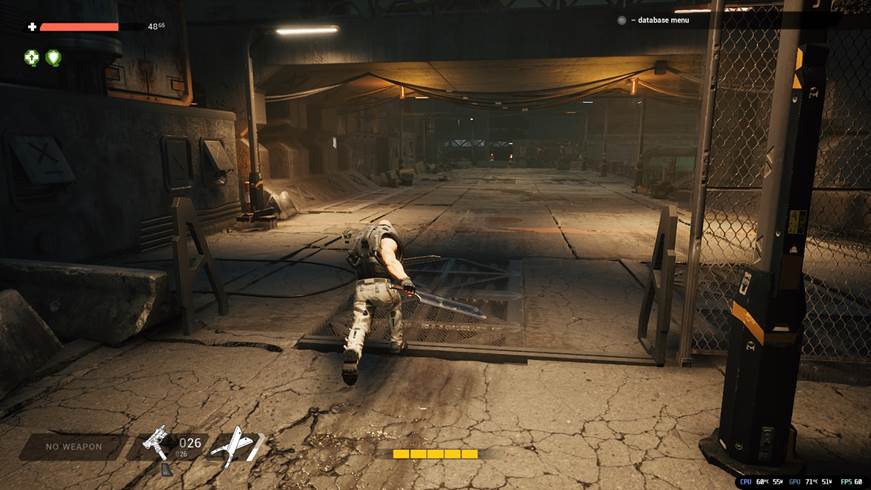
KIBORG looks as harsh as it feels. The procedural arenas are grime-soaked, littered with cybernetic gore, and bathed in sickly neon hues. The art direction deserves credit: it’s grim but never confusing. Important elements like enemy telegraphs and environmental hazards stay readable amid the chaos. Cybernetic modifications are grotesque in the best possible way. As you load your body with tech, you can literally see humanity slipping away. My character looked less like a person and more like a walking war machine held together by malice and wires.
Progression and Customization
Progression is where KIBORG shines. No two runs are identical, thanks to a huge variety of implants and procedural challenges. Every upgrade you bolt on forces a decision: Do you double down on a strength or patch a weakness? Some builds turned me into an invincible close-quarters monster, others made me a glass cannon reliant on quick kills and dashes. There’s meta-progression too, though it’s fairly light. You unlock access to better implants and rare tech as you play, but skill, not grind, is what makes you stronger. This design choice keeps victory feeling earned rather than handed to you.
Difficulty and Challenge
Let me be brutally honest: KIBORG is not kind to players. It’s not “unfairly hard,” but it’s absolutely “figure it out or die” hard. Each enemy type demands respect. Each boss fight is a genuine event, multi-phase battles that require full knowledge of your abilities and a tight grasp of movement. The difficulty curve is steep but rewarding. Deaths almost always felt like the result of a mistake I made, not a cheap shot from the game. Adapting to your environment, constantly reevaluating your approach based on what implants you have, and staying mentally agile are survival requirements. One aspect that stood out was how different each boss encounter felt depending on your build. A ranged implant set made some bosses easier, but turned others into nightmares. No one strategy fits all, pushing replayability even further.
Narrative Hooks
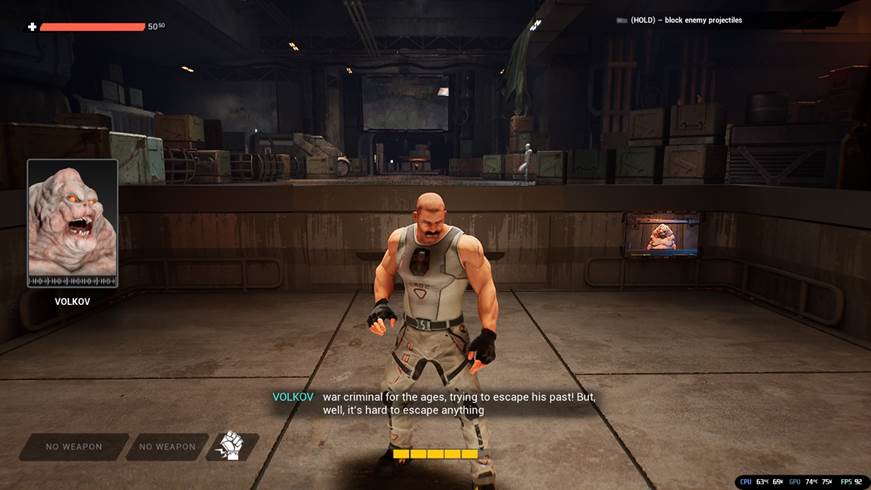
The story takes a minimalist but effective approach. You’re a wrongly convicted prisoner thrown into a bloodsport reality show. Freedom is dangled as bait, but it’s clear from the outset: you’re expendable. Environmental storytelling does heavy lifting here, bloodstained arenas, jury-rigged tech, broken screens, and blaring propaganda. The game also subtly explores the loss of humanity. As your character becomes more cybernetic, the horror isn’t just visual; it’s thematic. There’s no cheesy morality mete,r just a creeping realization that survival means embracing monstrosity.
Potential Weaknesses
KIBORG isn’t without flaws. Procedural generation sometimes creates frustrating arena layouts, tight spaces clogged with explosive enemies, or too many ranged units positioned unfairly. A few implants feel less impactful, which can narrow viable build paths for higher-level play. Additionally, the steep learning curve may alienate some players. Those expecting a “pick up and win” experience will hit a wall fast. KIBORG respects player intelligence, but that comes at the cost of accessibility.
Memorable Moments
Some moments stick out even after dozens of runs. One late-game implant combo turned my character into a near-unstoppable engine of death, chaining dashes into explosive punches while health regenerated off kills. Clearing a boss without taking a hit after five prior humiliations felt phenomenal. Another time, an unlucky sequence left me heavily crippled, crawling to the next upgrade station on minimal health, barely scraping by with smart terrain use and desperate parrying. Those white-knuckle runs are where KIBORG shines brightest.
Real Talk
If you’re looking for an easy rogue-lite power fantasy, KIBORG probably isn’t for you. But if you crave skill-based progression, gritty cyberpunk horror, and gameplay that demands and respects your mastery, it’s absolutely worth your time. Sobaka Studio created something savage, compelling, and refreshingly old-school in its respect for player skill. KIBORG is a sleeper hit that deserves a spot in the conversation alongside the best in the genre. I’m still not done with it, and I don’t think I will be anytime soon.
FINAL SCORE: 84/100
KIBORG
KIBORGThe Good
- Brutal, responsive third-person melee combat that rewards skill and timing.
- Implants fundamentally change playstyle, adding depth and replayability.
- High difficulty curve that feels earned rather than punishing
The Bad
- Can be overwhelming early on; not newcomer-friendly.
- Occasionally unfair enemy placements or level layouts.
- Story exists more as backdrop than driving force.